
13 Feb Early Specialization vs. Early Sampling in Youth Athletes: Who Wins?
On one end, we have the coaches who shout that early specialization is the way until their eyes pop out.
We have the parents who push their kid with year-round intensive training of one sport, and fail to let their 7-year-old be a kid, and develop other athletic skills.
In the other corner, we have the long-term athletic development crowd who preaches multiple sports.
But don’t forget, we also have the parents who enroll their kid in two sports in a single season, and don’t realize that this, too, can be overuse waiting to happen.
The early specialization vs. early sampling debate is as bellicose as a battle between the Starks and Lannisters.
It’s as divided as Lord of the Rings vs. Harry Potter fans.
It’s as combative as Britney Spears vs. Christina Auguilera in the 1990s.
It’s as divisive as someone with blue hair and a nose ring vs. a cowboy with an epic beard and a F150.
Who’s better?
Who’s right?
Who’s wrong?
Who wins?
Right off the bat, I’ll give you my answer: it depends.
I know it’s anti-climatic.
I know it won’t be the opening act on Saturday Night Live.
I know it won’t be featured on 60 Minutes.
I know it won’t win a Grammy.

The debate between early specialization vs. early sampling is a loaded one, so I’m going to give you a loaded answer: it depends.
As much as we want this to be clear cut victory on one side, it’s not.
And as much as we want to call it a day, end the argument once and for all so we can all go home, eat pizza, and drink a beer, we can’t.
To that end, the answer is complex.
So before I dive in, let’s define early specialization.
What Early Specialization Is
Early specialization is defined as the focus on one sport, with the exclusion of others. This means kids are on a single sports team with no other activities year-round.
Summer. Fall. Winter. Spring.
As an example, a club travel player for a U-12 soccer team in the United States is practicing two to three times a week, with a night of technical training, then a game on the weekends. On top of that, they’re playing multiple tournaments in a season, with up to three games a day. This happens in the Fall and Spring, and in the Winter? More showcases, ID camps, futsal games, and team practices.
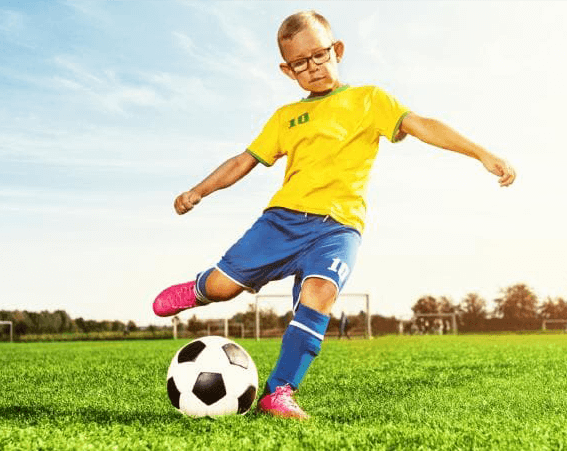
Truthfully, it’s been a over a decade since I’ve seen kids have December and the holidays completely off from practices and games.
Alas, it didn’t used to be this way. Back in the 90s, organized youth sports were only during a single season, and kids were allowed to be kids in the off-season, or venture into another sport.
Growing up in the 1990s, my travel soccer season was in the Spring, so I was able to enjoy being a kid the rest of the year, and focus on using other muscle groups in my body.
I was given several months off and plenty of wiggle room to play Capture the Flag, tackle football with my brother and his friends, dodgeball, and climb trees in neighborhood to build myself as a complete human.
Too, this didn’t mean I didn’t touch the soccer ball during my off-seasons. Rather, I practiced in my front yard with immense passion and joyfully played pick-up on the neighborhood streets.

Let’s keep going.
Oh! And don’t worry, I’ll make a case for early specialization, too.
So keep reading before you utter, “to hell with this one-sided opinion!”
Now, fast forward to 2019, and kids are moving less. Less in PE class. Less in the neighborhood. Less at the playground. Less in general.
Truthfully, I would be more okay with early specializers nowadays if kids were learning basic motor skills as much as they were in the 1990s.
Or better yet, if they were under a physical development model year-round with their sports clubs (Ajax Football Club is a great example on developing the human, as well as the soccer play simultaneously under a safe, progressive model. You can READ HERE).
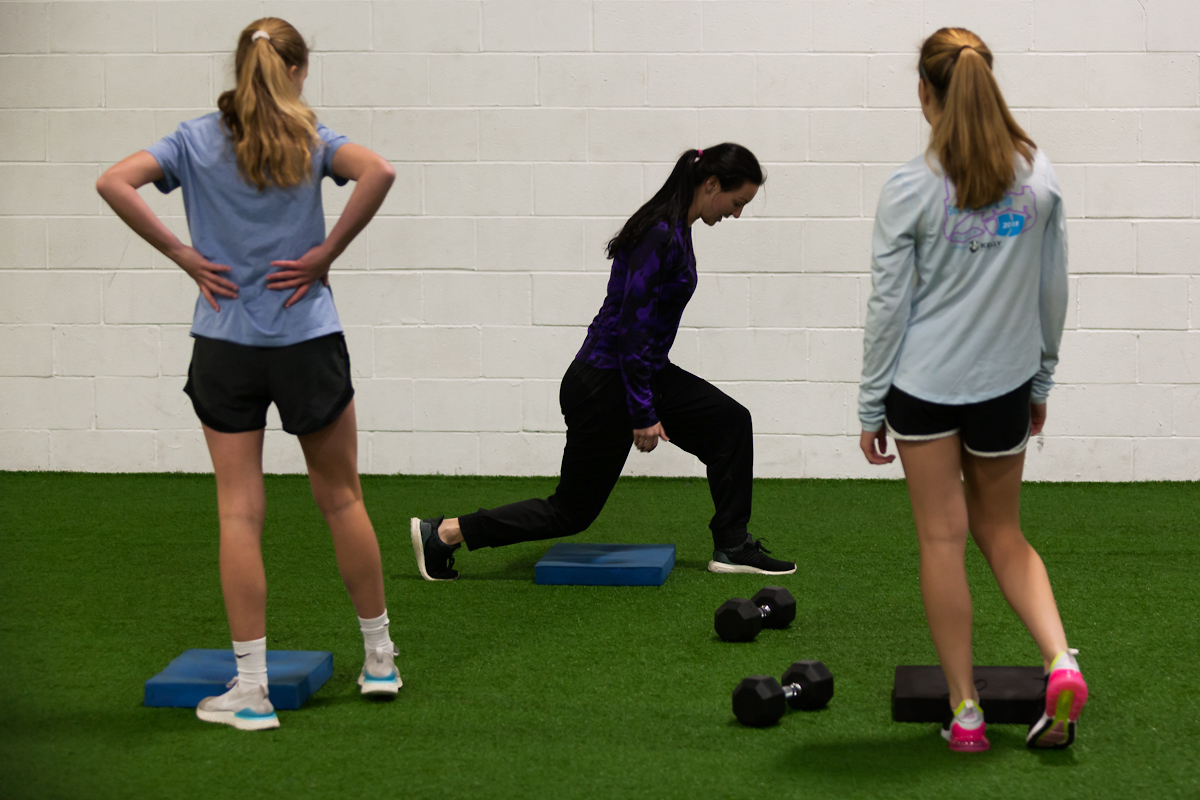
In fact, most youth soccer clubs in Europe do early specialization right because they make time for a balance of athletic and motor skill development outside of soccer.
But the reality of youth soccer in the US? Skills sessions and extra technical nights replace physical development gym sessions. Technical and tactical drills are replacing performance and injury reduction programs. Organized soccer is replacing free play.
In fact, after 14+ years of coaching youth, parents complain, “we don’t have time to take our kid to the playground because they practice 3-4x a week, then they have homework to do, then they see skills trainer #1, then skills trainer #2, and the last thing they want to do is get outside!”
It’s a big problem because playing outside is where kids learn how to be creative and malleable.
They learn force absorption when they fall off the monkey bars.
They learn balance when navigating the various surfaces, steps, balance beams, and playground rungs.
They learn coordination when climbing trees.
They learn spatial awareness and momentum when swinging on a swing.
They learn agility when chasing their friends.
To that end, the playground is the best gym around for young ones.
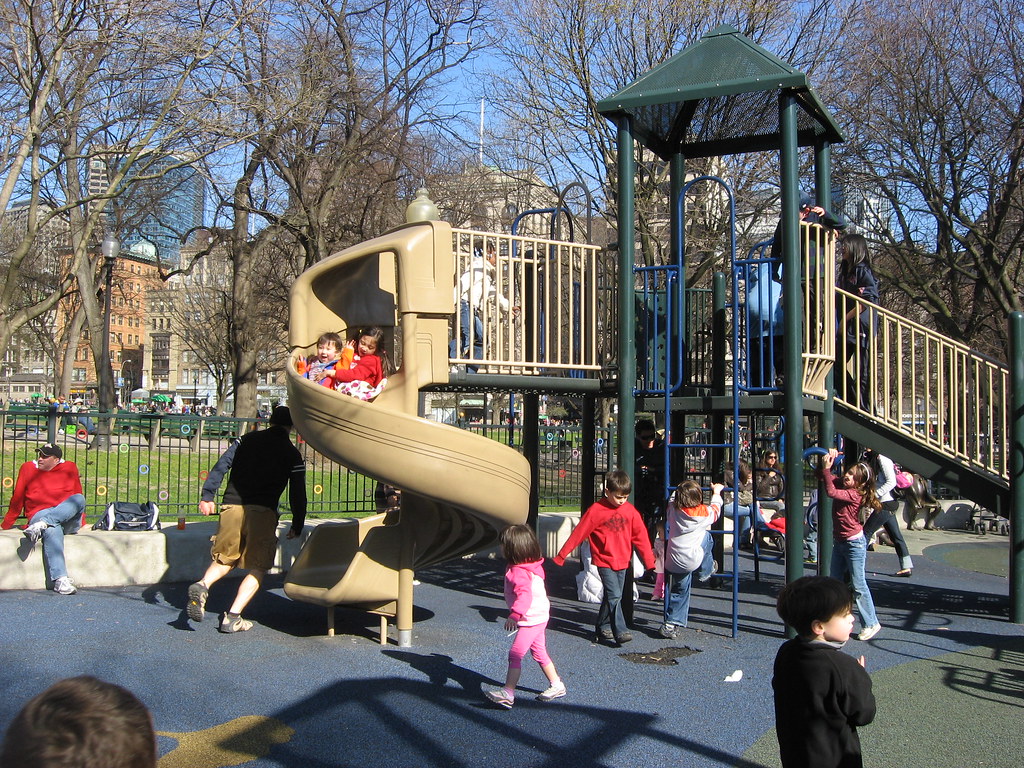
Alas, what we are facing now is different. I could go on and on about how good it was “back in the day” and how much more active every child was, but I won’t.
Instead, I want to push forward and provide everyone with actionable solutions.
But first, let’s take a look at the benefits, as well as detriments of early sampling.
Why Early Sampling Is Beneficial
Before I dive into youth sports, let’s look at your career.
Why are you talented at it?
No, really. WHY?
As an example, if you’re an attorney, you’re good at what you do not because of law classes alone, but because of the other courses you took in your undergraduate degree.
Did you take human behavior to better deal with difficult clients?
Did you take marketing to better promote your services?
Did you take English to better write legal letters?
Did you take psychology to better handle stress?
You see, just specializing in law coursework does you a major disservice when looking at the entirety of your career. Every skill matters – from logic and problem solving, to business, to interpersonal relations, to stress management.
As left-brained as being an attorney is, it’s also immensely right-brained.

Looking to another example, if you’re a doctor who only focused on science, and not the communication, philosophy, and psychology, you’re failing your patients with your cold bedside manner.
And for some doctors, they run a business with their own practice, so beyond the medical aspects, they had to learn the accounting, the marketing, business law, and communication components to their careers.
Or looking to a sports example, if you’re a coach, why are you good at coaching?
You’ve studied tactics, formations, and coaching cues to provide your players with knowledge of the game.
But also, you’ve studied human psychology and behavior change to be empathetic, supportive, and motivating when your players are having a bad day.
A variety of skills matters.
For everything in life.
Sure, we all eventually become specialists, but before we got there, we also were generalists, and I’d argue, we still are a nice blend of both today.
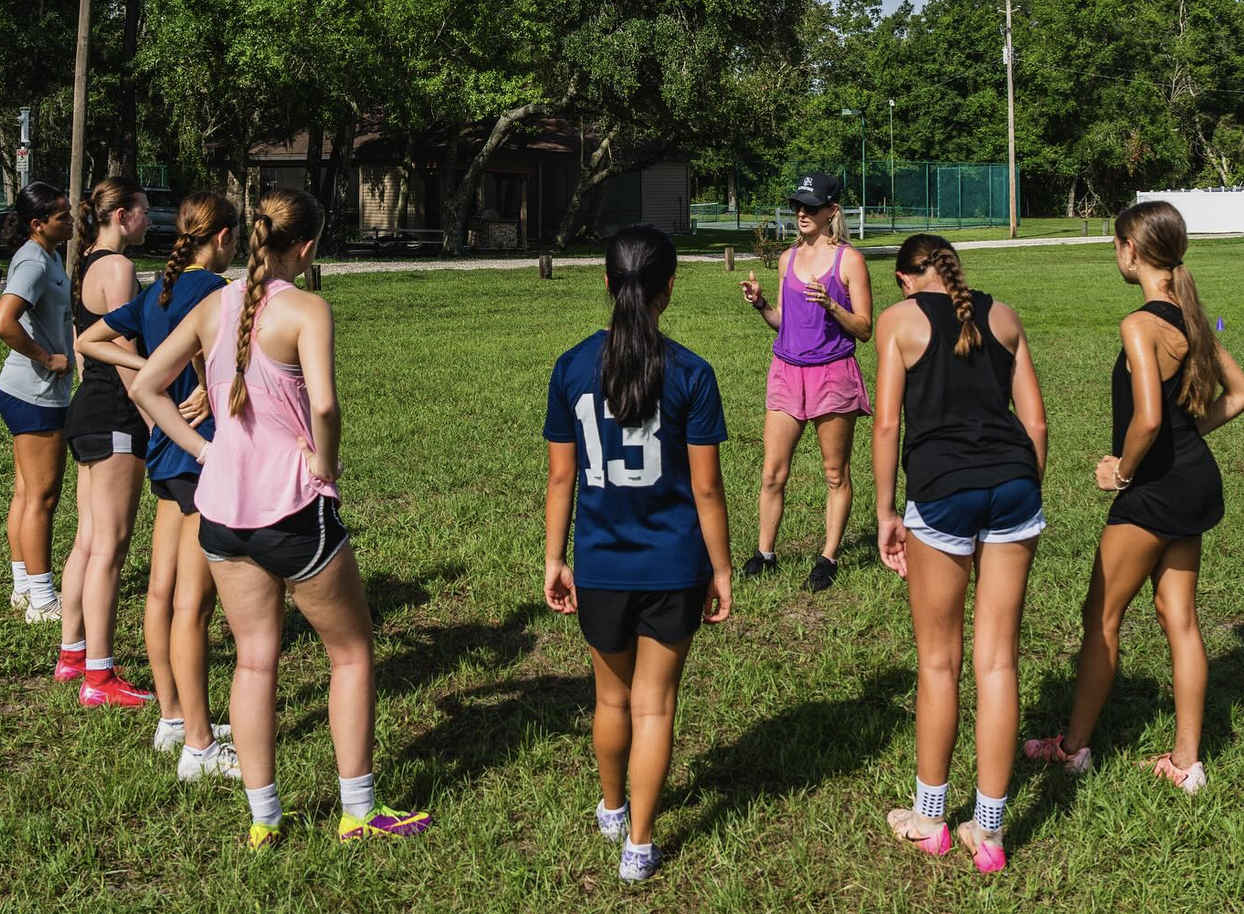
Moving the conversation forward to youth sports, how do other sports support a child’s primary sport?
For one, there are several transferable skills between sports:
– rotational power from lacrosse shooting, transfers to hitting a softball
– reactive ability in tight spaces from basketball transfers to maneuvering in tight spaces in soccer.
– balancing on a beam in gymnastics transfers to all team sports where kids must balance on one leg to accelerate and decelerate.
– catching a softball in the outfield transfers to scanning air balls in soccer
– dodging a dodge ball transfers to all team sports that involve reactive cutting and moving to an external stimulus
– balancing and shifting weight on a snowboarding improves balance and body awareness in ALL SPORTS.
– reacting to a volleyball in the air helps with keeping the head up and having awareness in ALL SPORTS.
Oh, one more: learning powerful kicks in martial arts transfers to ninja-level shooting in soccer.
Fun fact: Zlatan took taekwondo as a kid.
Here it is paying off:
And two, other sports help kids develop their coordination and strength that their primary sport doesn’t provide.
Too much repetition with the same muscle groups without any love for the others leads to imbalances and compensatory movement patterns (i.e. soccer is heavily hip flexor and quadricep dominant, and there’s no hamstring strengthening happening to reduce ACL tear risk).
For maturing kids, this is particularly dangerous because growth leads to a disturbance in coordination and posture, which hinders the stability of the pelvis, ankles, and knees. According to Renshaw and colleagues (2009), these bad habits remain when nothing is done to fix them.
If a child is constantly doing skills sessions and practices in their primary sport, the focus is on a few muscle groups, not all.
So let me ask you this: outside of the repetition of primary sport, what else is being done to work on muscle imbalances and build strength elsewhere?
Is coordination being reinforced as kids grow?
Are they working on stability so they can decelerate safely?
Are they working on alignment of the ankle, knee and hip joints so they reduce chance of ACL?
Are they being taught plyos properly and how to control their landings? Because 99% of landings drills on social media are crap and not taught properly.
Are girls eventually gaining true strength, progressing to lifting heavier weights over time?
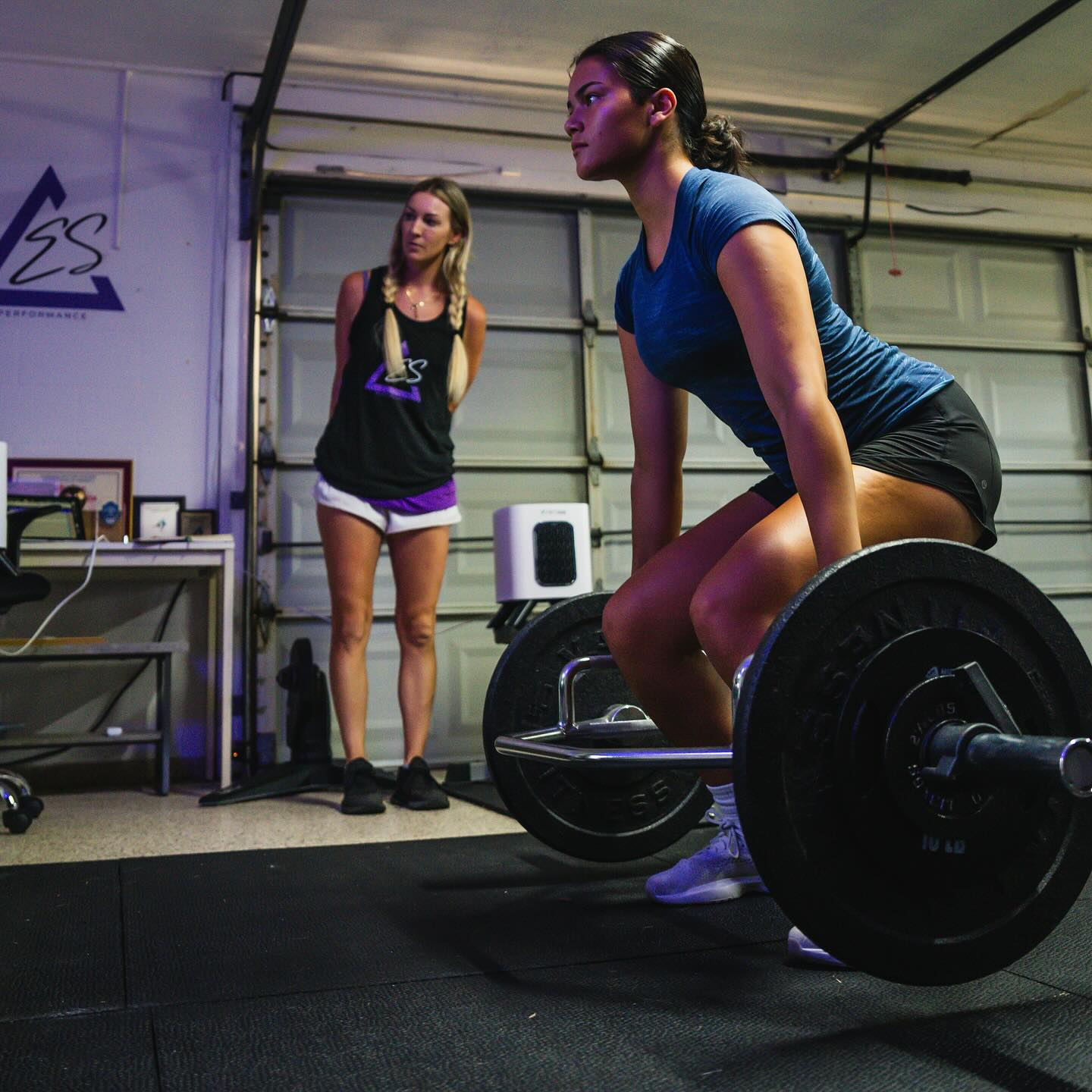
Spoiler: more skills trainers and club technical nights don’t solve any of this. More repetitive movements in soccer like cutting, running, and sprinting will compound over time and could turn into something catastrophic. Cumulative fatigue is sneaky…and the body usually whispers before it screams. It’s not normal for your growing athlete to be sore every week or have a muscle tweak every month.
Early sampling provides kids with the diverse palette of movement they need to develop as humans.
In a study done by DiFiori and colleagues (2014), they suggested that a variety of training reduces overloading and strain injuries in young athletes.
Looking beyond the physical benefits of early sampling, kids also benefit socially and emotionally from a variety of environments and social situations.
They learn to interact in new social settings. They learn to overcome new challenges. They learn to problem solve with new tasks. They learn to communicate with new teammates and coaches.
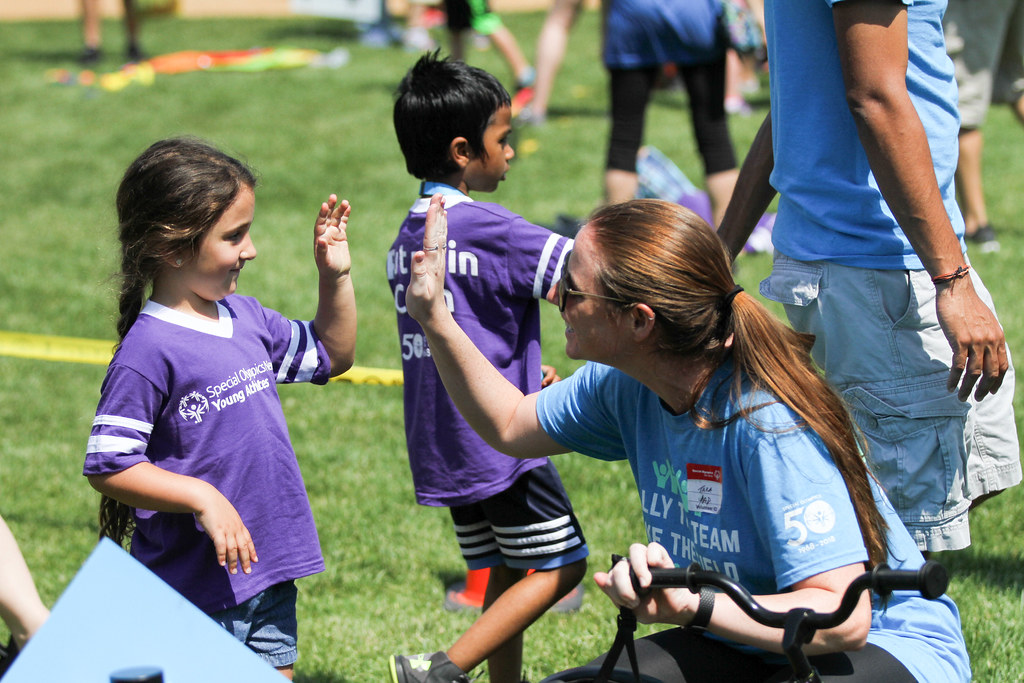
Myelination in the brain increases rapidly during childhood and adolescence, which is when connection in the brain forms, and operates more efficiently.
This is a critical time to expose kids to a multitude of scenarios in physical activity. Tapping into all corners of the brain is paramount for not just tactical decision-making in sports, but also, for problem solving and learning in academics.
In a study done by Seidler (2010), he suggested when learning new motor skills, kids tap into other brain regions that are critical for learning non-motor skills.
Another study done by Trudeau and Shephard concluded that children who experience more physical activity through PE programs in school, got better grades, demonstrated better focus, and better behavior in school (Trudeau & Shephard, 2008).
It’s worth mentioning that PE programs encompass the global movement that kids need, but again, they are waning, which means performance coaches for youth are becoming more important to expose kids to variety of movement. Or the alternative? Parents must take kids outdoors for optimal brain development.
Considering both hemispheres of the brain when it comes to developing young athletes is critical – structured and unstructured play.
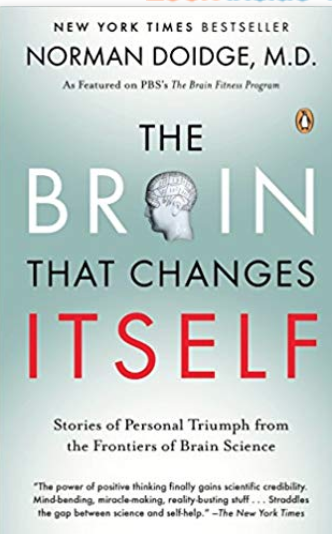
Neuroplasticity continues to be a fascinating phenomenon that states that the more new experiences human expose themselves to, regardless of age, they build new connections.
An excellent book on this topic is The Brain That Changes Itself.
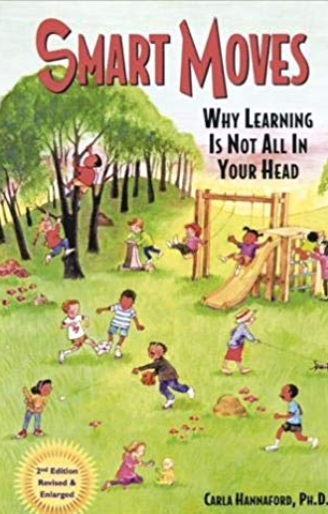
Another book I recommend in this space is Smart Moves, and the impact of movement on learning, memory, and emotional intelligence.
Now that you’ve learned the physical and mental benefits of early sampling, let’s move onto to when early sampling might be dangerous for the young athlete.
When Sampling Is Detrimental
So here’s where early sampling becomes dangerous: when multiple sports are played in a single season.
This isn’t sampling anymore. It’s load stacking.
Especially if the sports have similar movements like soccer and lacrosse, soccer and basketball, soccer and field hockey – it’s still more sprinting, cutting, and changing direction – the same repetitive crap we are trying to avoid, and the same repetitive crap that can lead to worse overuse.
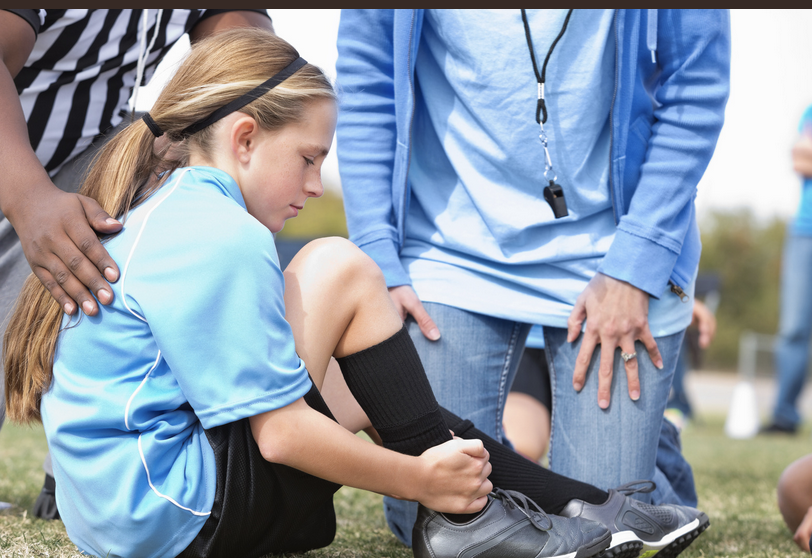
Returning to “back in the day,” if soccer were our primary sport, we had several seasons off (i.e. the entire winter and summer) to dabble in other sports.
We could play basketball in the winter without worrying about rushing to soccer practice right after. We could play lacrosse in the spring without worrying about that soccer tournament that weekend. We could play a school field hockey game without rushing to a club soccer practice two hours later.
Nowadays? Kids cram two sports in one season, and the mental and physical dangers of this can be immense if not managed properly. And no one is brave enough to talk about it with the parent, except for me. I’ve had to send hard emails to parents when I see a multi sport athlete load stacking in a single season because I hear the complaints from girls that they’re always sore or they have some sort of tweak. Again, the body will whisper before it screams, and something worse happens down the line.
If both sports in the same season are heavy with cutting, change of direction, and high speed sprinting (i.e. lacrosse and soccer), it will be hard for a maturing middle schooler to make it out alive without chronic soreness, soft tissue injury, or a stress fracture if they aren’t managing load properly.
And don’t get me started on the nutrition side of it, as 99% of kids who play on two teams in a season are painfully under fueled which degrades the muscle and bone more. Furthermore, the vitamin D deficiency epidemic in youth is real, as most of them if they got their labs done, are below 40 ng/mL. It’s freaking SAD.
Young girls, too, don’t eat enough healthy fats like butter, avocado, olive oil, eggs and meats to even be able to absorb vitamin D (it’s fat soluble)! So yes, they can supplement with vitamin D, but if they aren’t consuming healthy fats, it’s not getting absorbed.
When Early Specialization Is Beneficial
The question isn’t “why is early specialization beneficial?”
Rather, it’s “when is it beneficial?”
If kids are playing year-round with the exclusion of other sports and little free play outside, and no strength development, this is when early specialization concerns me.
Sadly, that’s the reality today.
But as mentioned earlier in this article, some sports organizations do an excellent job navigating the year-round model, and ensure kids stay healthy amidst a high volume of practices and games.
Strength and conditioning coach Rene Wormhoudt’s work at Ajax Football Club, one of the best youth development clubs in the world, has an athletic skills model that keep kids who play one sport healthy (READ HERE).
His creation of the Athletic Skills Model (ASM) was meant for the kids to develop as complete athletes, in addition to soccer players. The ASM consists of working on the basic motors skills of throwing, catching, crawling, twisting, hopping, romping, balancing, tumbling, falling, and climbing that are transferable to the contact, rotational, multi-directional, and spontaneous actions in soccer.
You see, with performance coaches thrown into the mix at a youth soccer club, early specializing kids can be in good hands to stay healthy and develop as durable, robust athletes.
There are many youth clubs out there that truly practice player development, and they don’t let the technical and tactical overshadow the physical. Instead, an integrative dance is performed between all.
Early specialization, to the end, ain’t evil as long as kids are not falling into overload of one sport only and they’re incorporating new motor skills and strength work into their schedules with 2 full off days a week.
Experience-Based Examples
Now that you’ve sifted through the research presented, let’s give you a break with some experience-based examples.
After 14+ years of working hands-on in the youth physical development space, I have several worst-case scenarios I’ve seen with early samplers and girls playing on multiple sports in a single season.
After saying my peace to their parents and repeating how important it is to recover and manage load between both sports, some people listened, some didn’t.
Here’s what happened to those who didn’t listen:
– Scenario: 13-year-old female athlete plays lacrosse and soccer in same season.
– Result: Osgood-Schlatter Disease, five stress fractures in foot, later tore her ACL.
– Scenario: 12-year-old girl playing soccer, futsal overlapping with soccer season, soccer skills sessions weekly, with minimal recovery days.
– Result: Shin splints progressed to compartment syndrome surgery.
– Scenario: 13-year-old girl field hockey and ice hockey overlapping seasons
– Result: Osgood-Schlatter Disease for a year straight
– Scenario: 14-year-old girl doing the 400 meter and 800 meter in track while club soccer season was going on
– Result: Knee pain in both knees, then turned into hip fracture
And then there was my experience as a 14-year-old: I played soccer and lacrosse in a single season one Spring and I suffered a stress fracture in my low back that took me out for six months. During this time, no one knew jack about load management, which meant that my injury forced me to pick one sport at age 14 and realize what I was doing was nuts – rushing from lacrosse practice, to travel soccer practice, then going from a school lacrosse game to a soccer practice on a Tuesday night.
Soccer demand was increasing for me at age 14, as I was on a top team, and I could no longer keep up with also playing lacrosse during soccer season. When I was younger, soccer and lacrosse had SEPARATE SEASONS and I enjoyed both fully healthy for all those years. But at age 14, both sports overlapped that Spring, and my body broke. Literally.
Now, here’s what I’ve seen and heard happen to early specializers who failed to manage load properly:
– Scenario: 9-year-old soccer player played futsal and soccer in same season
– Result: chronic low back pain
– Scenario: 14-year-old soccer player who played school and club soccer in same season, skills training every Saturday, minimal rest days
– Result: partial quad tear
– Scenario: 11-year-old soccer player who played 3v3 soccer in Summer, on top of other club practices, dad made her run a mile every morning
– Result: chronic heel and knee pain
– Scenario: 15-year-old soccer player who did flag football, soccer, and extra soccer skills sessions all in one season
– Result: ACL tear
– Scenario: 15-year-old soccer player who did club soccer 2x a week and high school soccer 5x a week in same season
– Result: ankle sprain and quad pull
– Scenario: 14-year-old soccer player who played 3v3 soccer in Summer on top of other club practices, no previous strength training
– Result: ACL tear
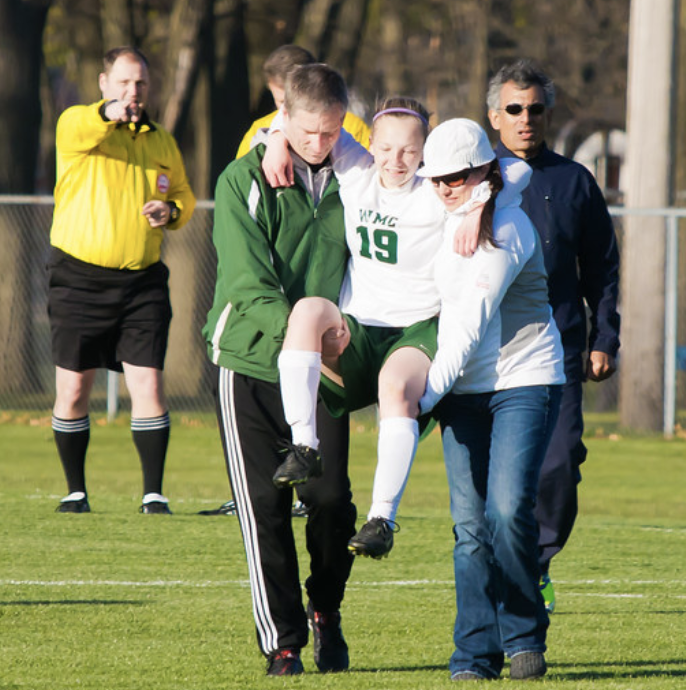
It’s Tragic
Here’s the thing: I’ve seen and head it all. This is stuff I witness and hear about on a daily basis when young athletes come to me at my gym, or parents message me on Instagram sharing their injury stories. In fact, I’m in a ACL Recovery facebook group, where parents of girls who have torn their ACLs share their stories, and the universal theme that these parents wish they took more seriously? Managing sport loads and making time for strength training.
As much research as we comb through on both sides of the debate, there are a myriad of case-by-case scenarios right before our eyes in an experience-based setting. Both research and anecdotal evidence are important to look at here.
The common theme with both early samplers and specializers who got injured is they load stacked sport load too much, didn’t recover at all, and had minimal to no strength training in their schedules.
Injuries always comes back to mismanaged sport load, and a lack in strength capacity. Sport load dominates the weekly schedule and strength gets an itty bitty hour if lucky.
And based off of this wealth of information, we need to continue to grow our knowledge on child development, and take action on what each kid needs.
So…
Some Actionable Solutions for These Scenarios
Here are some suggestions:
– For kids younger than 12, parents! Don’t be afraid to lean more toward one sport for a season. No, they won’t fall behind. They’re only 10! Stop living in fear and following the crowd. Allow them to enjoy a season of a different sport, then come back to their other sport excited, healthy and ready to go! At some point, you need to draw a line in the sand and set boundaries for your child.
– For the multi-sport athlete in a single season (which is not ideal), parents, know when to say “no” and cut the kid off. If a kid’s performance wanes, or they experience chronic muscle soreness and tweaks, it’s okay to skip one sport, or a practice and game, rather than trying to cram it all in. These are clues from the body saying it’s too much, so something has to give somewhere before it turns into a severe injury. In my experience, athletes playing two sports in a single season and DOING EVERY PRACTICE AND GAME OF BOTH doesn’t end great. Sure, some can get away with it, but is it worth the gamble?
– Year-round strength and conditioning is a must for both early specializers and early samplers. Kids are maturing and need to be exposed to safe biomechanics (acceleration, deceleration and change of direction), and build their strength to be able to handle forces in their sports.

– Free play is critical for ALL AGES. Go to the playground, wrestle, play dodge ball, climb trees, jump on trampolines, play pick-up. Not only does this develop motor skills, but also, the stakes are low and the structure is absent, and kids can tap into the creative hemispheres of their brains. This exploration also develops confidence because there’s no fear of mistakes!
– If your kid wants to do two sports in the same season, it is best to opt for sports that involve different levels of load on the body. As an example, a soccer player doing golf is a nice combination because the kid is not overloading on eccentric movements from change of direction, nor is she impacting the muscles, tendons and joints as much as a soccer-lacrosse combo. Some other good pairs would be basketball/snowboarding, indoor track/wrestling, volleyball/field hockey, softball/soccer.
– If your kid is doing two sports in the same season that are similar movements, stop jumping from one practice to the next every single week. This is load stacking of the same exact movements that can lead to overuse. You have to pick and choose when to skip one so there’s more recovery happening. You don’t have to attend every single event in both sports. And please, listen to your daughter. Check in! If she’s always complaining of some form of soreness from week to week, this IS NOT NORMAL. Many chalk it up to ‘well, it’s just them growing and being busy!’ No. This is dangerous thinking. Growing kids need way more load management than adults due to open growth plates and bones growing faster than the tendons. We want to avoid things like persistent knee pain and stress fractures as best we can. Growing kids need more recovery than adults.
– NO, futsal is not a different sport from soccer. Futsal still involves the same, repetitive high impact movements in soccer. In fact, one of my girls from several years ago got a stress fracture in her shin from doing both of these in a single season.
– Optimize recovery. Ideally, 2 full days off a week from any organized sport or training sessions, and both early specializers and early samplers need recovery. Rest is when tissue damage from training can finally repair, otherwise if an athlete plows through, they’ll be in a constant state of muscle and tissue breakdown. Also, only using recovery devices that INCREASE BLOOD FLOW. I like the FireFly here the most for reducing soreness. Cold boots don’t increase blood flow, they constrict it. Don’t do cold therapy. Check out Firefly HERE for elite recovery.
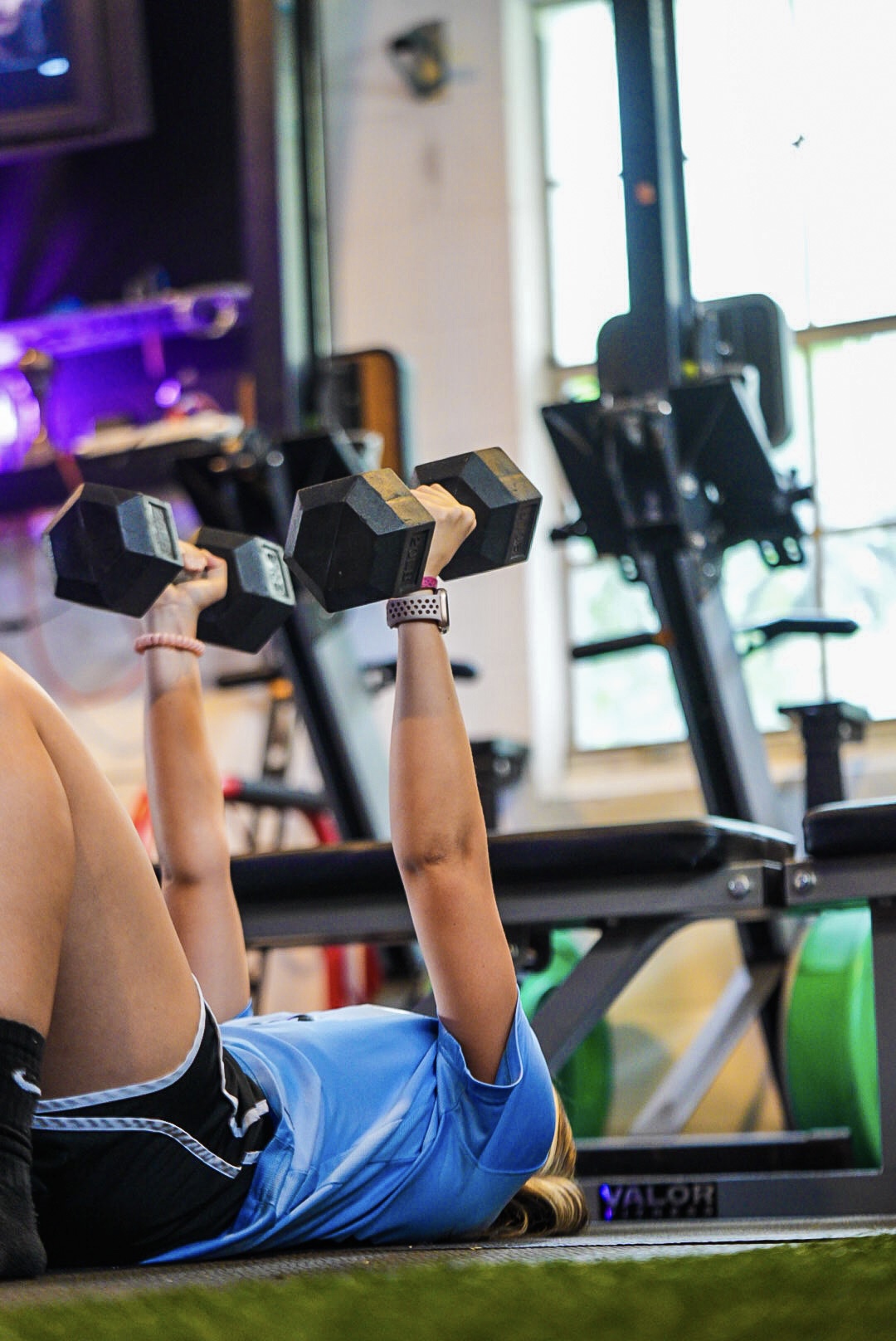
– Sport load must be balanced with strength work. In a perfect world, I’d want all of my athletes with me 2x a week strength training, so there’s more of a buffer and balance with the 3-5x a week of all the running from sport practices. Think of strength training as a separate sport that is slow and controlled, and builds other muscle groups.
Ending The Debate
Phew.
You made it.
The goal of this article was not to pick a side, nor was it to make the divide between early specializers and early samplers bigger.
Rather, it was to provide tips for a variety of people on both ends of the spectrum, and who experience a wide range of scenarios.
With that said, there’s no definitive winner in this battle. Sorry there’s no explosive ending.
With that said, let’s just give the win to the Lannister’s.
*waves surrender flag*
References
DiFiori, J.P., Benjamin, H.J., Brenner, J.S., Gregory, A., et al. (2014). ‘Overuse injuries and burnout in youth sports: A position statement from the American Medical Society for Sports Medicine.’ British Journal of Sports Medicine, 48(4):287-288
Renshaw, I., David, K.W., Shuttleworth, R., & Chow, J. (2009). ‘Insights from ecological psychology and dynamical systems theory can underpin a philosophy of coaching.’ International Journal of Sports Psychology, 4(40): 540-602.
Seidler, R.D. (2010). ‘Neural correlates of motor learning, transfer of learning, and learning to learn.’ Exercise and Sport Science Review, 38: 3-9.
Trudeau, F., Shephard, R.J. (2008). ‘Physical education, school physical activity, and academic performance.’ International Journal of Behavior Nutrition and Physical Activity, 5:10.
ABOUT THE AUTHOR

Erica Mulholland is a former college 3x All-American soccer player and now Hall of Famer from Johns Hopkins University. She holds a Master of Science in Exercise Science and is a Certified Strength and Conditioning Coach, who has been helping female athletes of all sports with speed, agility, strength, power, and conditioning for 14 years. She works with youth female athletes who want to become stronger and faster, as well as ACL and meniscus surgery rehab for female athletes in the later stages (over 3 month mark post-surgery) who want to return to sport better than they were prior to injury.
Work with Erica in Tampa and Lutz Florida for speed, agility, and strength training, OR late stage ACL rehab (must be at minimum 3 months into physical therapy and post-surgery): BOOK ASSESSMENT HERE
Interested in REMOTE TRAINING for Female Athletes? BOOK A CONSULT HERE
Get Erica’s book FEMALE ATHLETE HIGH PERFORMANCE

No Comments